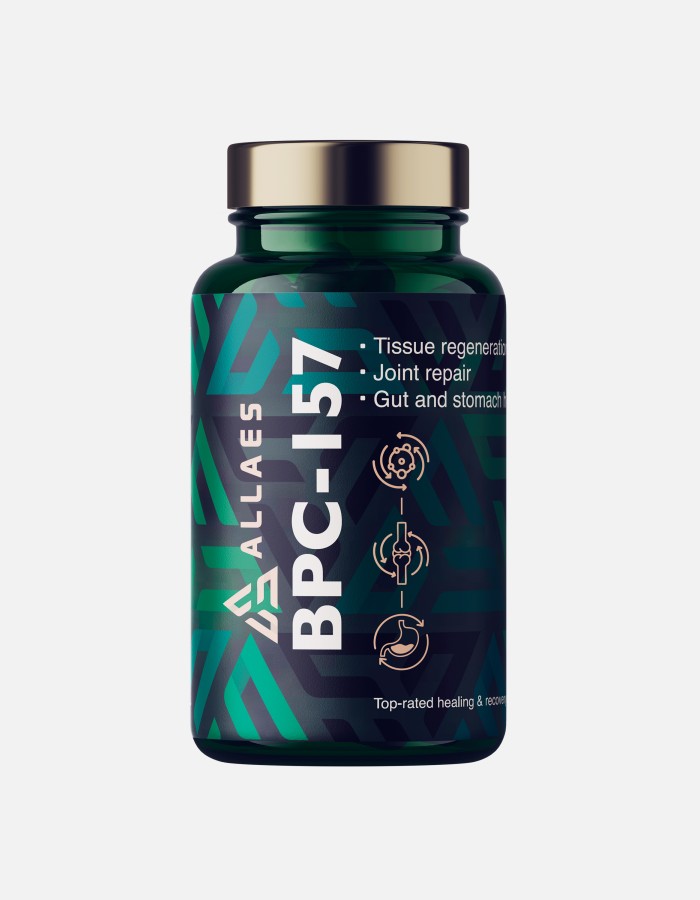
BPC-157 is a synthetic peptide (Body Protection Compound) that has been studied for its potential role in supporting tissue repair processes. It is commonly discussed for recovery support and is often associated with tendon, ligament, and joint comfort—especially during periods of heavy training, overuse, or after minor strains.
This product may support overall recovery by promoting a healthier healing environment in soft tissues. Many users focus on it for tendon and joint support, aiming to reduce downtime and improve training consistency. It is also sometimes used alongside rehabilitation routines to support return-to-activity after overuse discomfort.
✔ If you are recovering from an injury — BPC-157 helps accelerate the healing of tendons, ligaments, muscles, and bones by increasing blood flow to damaged tissues and promoting the repair process.
✔ If you suffer from joint pain or inflammation — BPC-157 has anti-inflammatory properties that can reduce swelling, relieve pain, and promote recovery in the joints.
✔ If you struggle with gut health issues — BPC-157 may help support healing of the gastrointestinal tract, reducing inflammation and promoting faster recovery from ulcers, leaky gut, and other digestive disorders.
✔ If you experience chronic pain or soft tissue injuries — BPC-157 can help improve the healing time of soft tissue injuries, such as muscle strains or ligament sprains, by stimulating cellular regeneration.
✔ If you want to improve your recovery time — BPC-157 aids quicker recovery from intense physical exertion, intense training, or after surgeries, allowing athletes and fitness enthusiasts to return to training faster.
✔ If you are seeking neuroprotection — BPC-157 has shown potential in supporting healing of the nervous system, particularly in cases of nerve damage or nerve regeneration.
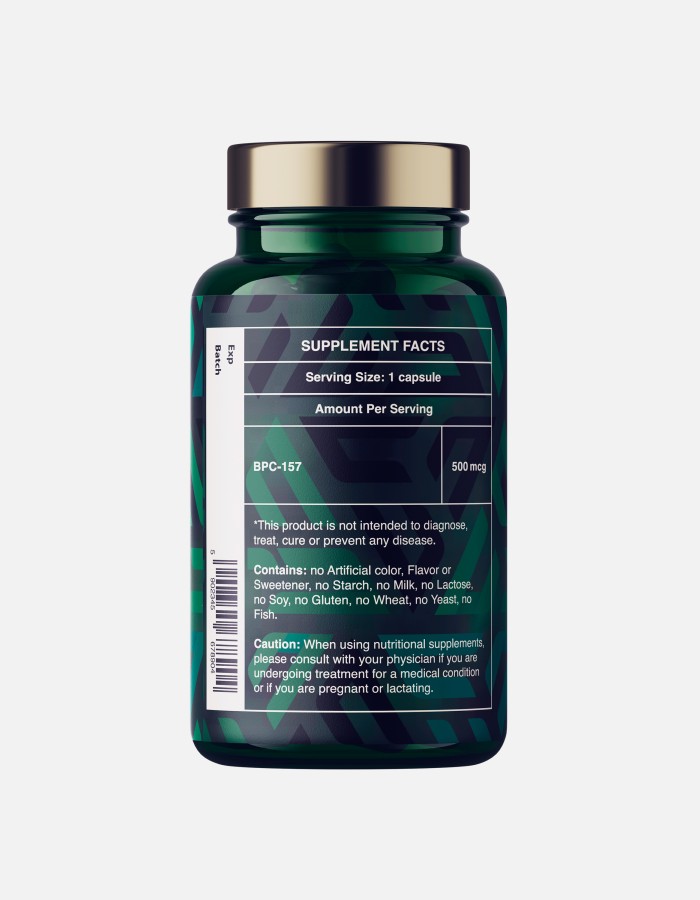
Recommended dosage: 500 mcg per day (depending on individual needs and severity of injury)
Maximum dosage: Up to 1 mg per day (for more severe injuries or conditions)
When to take: There are no strict rules on timing. Usually, a convenient time is chosen and kept consistent (for example, in the morning), and for a sensitive gastrointestinal tract — with food.
How long to take: BPC-157 is typically used for 4–6 weeks, but longer cycles may be used for chronic injuries or conditions. It is advised to take breaks after each cycle.
Side effects:
Mild nausea or upset stomach
Headache
Dizziness
Fatigue or unusual tiredness
Changes in blood pressure (rare)
Injection site irritation (if used subcutaneously)
Muscle cramps or tightness (in rare cases)
Hormonal fluctuations (not confirmed but sometimes reported)
Increased appetite (paradoxical in some users)
Sleep disturbances (rare and usually dose-related)
BPC-157 works by promoting angiogenesis, the formation of new blood vessels, which increases blood flow to damaged tissues. This promotes the healing process by delivering nutrients and oxygen to areas that require repair. The peptide also plays a significant role in cellular regeneration, aiding in the repair of damaged tissues, muscles, tendons, and bones.
In addition to its healing effects, BPC-157 has strong anti-inflammatory properties, helping to reduce swelling and pain, especially in soft tissues. It also helps reduce oxidative stress and supports the regeneration of the gastrointestinal tract, making it beneficial for individuals with digestive disorders.
Moreover, BPC-157 has shown the ability to support nerve healing, making it valuable for people dealing with nerve damage or injuries. This multi-faceted approach to healing makes BPC-157 a versatile and powerful peptide for recovery and injury repair.
On PEDs, recovery often becomes as important as progress: muscles and strength can grow faster than tendons, ligaments, and joints can adapt. BPC-157 is generally considered a support tool specifically for this weak area — to improve recovery of connective tissues under heavy loads due to processes associated with collagen and local blood supply.
The second common problem associated with PEDs is gastrointestinal irritation (oral medications, stress, inflammation). BPC-157 is chosen when mucosal support is needed: reducing discomfort and more stable absorption of nutrition, which is critical with high volumes of food and supplements.
The third goal is nervous fatigue and irritation of the nerves when overloaded (numbness, tingling, deterioration of coordination). BPC-157 is sometimes used to support nerve recovery to help return normal sensation and motor control more quickly.
In short: For PEDs users, BPC-157 is most often used as a base support for ligaments/tendons, the gastrointestinal tract, and the nervous system to train harder and be less likely to fall out of the process due to accumulated wear and tear.